Landscape Drainage Excavation: Finding the Best Drain Route
Mount Barker’s rolling Adelaide Hills topography brings stunning views, but it also creates distinct stormwater management challenges. Between heavy seasonal rainfall and the region’s notorious reactive clay soils, choosing the correct path for subsurface and surface water disposal is vital. Precise landscape drainage excavation ensures that excess runoff flows safely away from home foundations, driveways, and garden beds, preventing costly soil erosion and waterlogged yards.
Assessing Topography and Slope in Mount Barker
Finding the most effective drainage route begins with a comprehensive understanding of your property's natural contours. Effective stormwater drainage relies heavily on gravity; even minor miscalculations in fall line can lead to silt accumulation and standing water. In hillside construction zones and undulating allotments across Mount Barker, skilled excavation and site prep identify natural runoff corridors so trenches can follow the path of least resistance without overwhelming downstream zones.

Key Steps for Plotting an Efficient Drainage Route
Mapping out a trenching route requires balancing gravity, boundary setbacks, underground utilities, and council discharge regulations. Careful site planning ensures long-term functionality and prevents structural destabilisation.
- Identify the Legal Point of Discharge: In accordance with local building standards, your route must direct water either toward designated street water tables, council stormwater infrastructure, or approved on-site detention systems.
- Measure the Fall and Trench Gradient: Maintaining a minimum gradient of 1:100 (or 1 percent fall) guarantees that water moves fast enough to clear sediment without scouring trench beds.
- Map Out Structural Obstacles: Route trenches around established trees, underground services, and outbuildings, incorporating catch basin installation at low collection points.
- Incorporate Roof Runoff Lines: Connect a downspout drainage extension directly into your main drainage spine to prevent high-volume roof overflow from saturating perimeter soil.
Integrating Drainage with Retaining Walls and Terraces
Many properties in the Mount Barker district depend on earth retention to manage steep yard transitions. Whether you are installing garden retaining walls, block retaining walls, or heavy-duty concrete retaining walls, water is the primary threat to their stability. Hydrostatic pressure from waterlogged clay can crack or displace structures over time.
To provide comprehensive retaining wall support, modern drainage behind retaining walls requires specialised excavation. During excavation for wall construction, contractors carve out ample space behind the wall for a robust gravel drainage layer and slotted agricultural pipes. Utilizing geotextile fabric drainage prevents fine clay particles from clogging the drainage aggregate installation, ensuring that subsurface water drains smoothly through the outlet pipes rather than pushing against the wall face.
Excavation Techniques for Resilient Drainage Systems
Executing the dig requires professional landscape earthwork services tailored to the ground conditions. Compacted clay requires precision machinery to dig trenches with smooth, stable sidewalls. Trenching too close to footings or wall foundations risks structural subsidence, making professional landscape engineering and grading techniques essential.
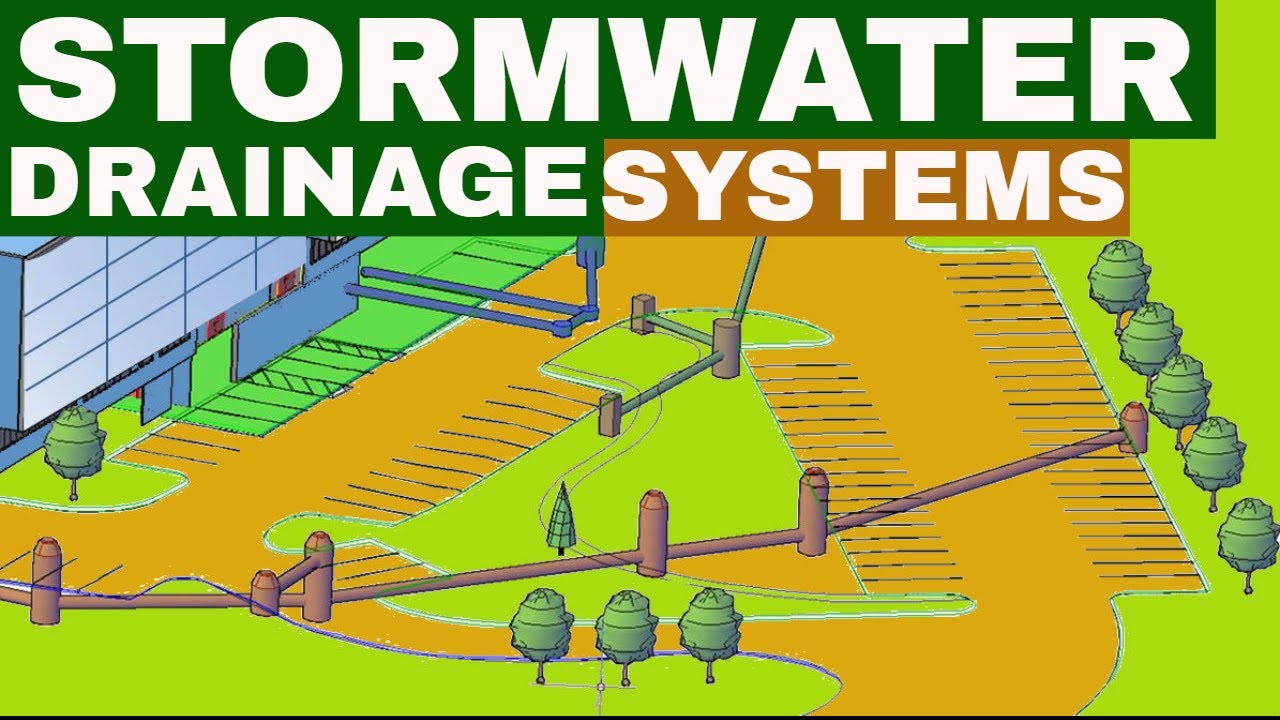
- French Drain Installation: Ideal for intercepting broad, subterranean seepage on sloping blocks before it reaches home slabs.
- Surface Swales and Grading: Reshaping surface contours via excavation and grading to funnel flash runoff safely toward collection pits.
- Aggregate Backfill: Applying clean drainage stone wrapped completely in non-woven geotextile to guarantee continuous infiltration.
- Cleanout Risers: Placing accessible inspection points along the route to simplify seasonal maintenance and debris clearing.
Long-Term Erosion Prevention and Soil Care
Selecting the optimal drain route does more than eliminate puddles; it plays a crucial role in erosion prevention. Uncontrolled water runoff carries away topsoil, undermines paving, and compromises garden stability. By planning your landscape drainage excavation with calculated fall lines, high-capacity collection points, and integrated wall drainage, you protect your https://retainingwallsmtbarker.com.au property against the seasonal storms of the Adelaide Hills for decades to come.
Mt Barker Retaining Walls
2/56A Wellington Rd, Mount Barker SA 5251, Australia
(08) 7282 0278